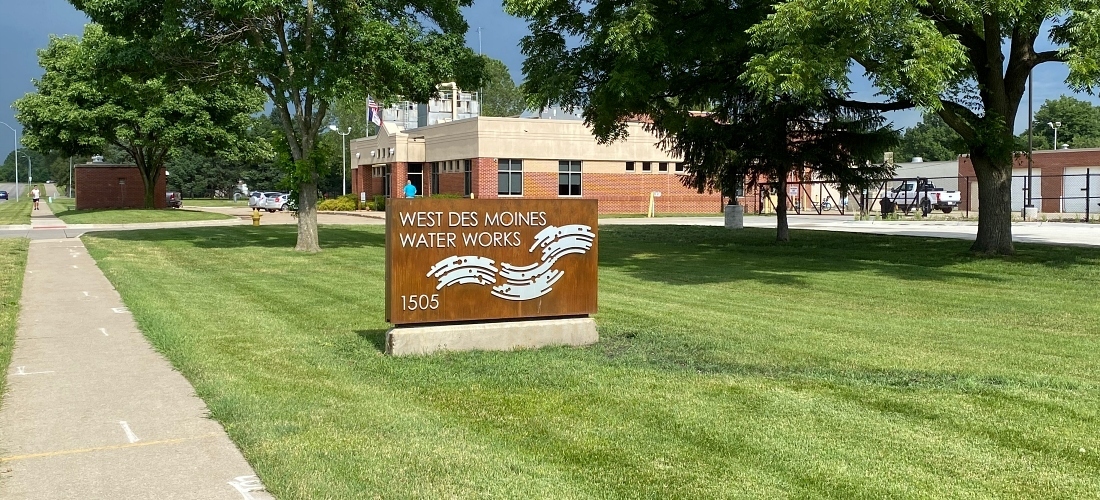
Faux Corten Signage: How Aluminum Steals the Weathered Look of Steel (Without the Risk)
Summary: Faux corten signage is a superior alternative to traditional weathering steel for commercial architectural signage projects. Applying a controlled chemical rust finish to lightweight aluminum creates a bold, industrial aesthetic. This solution eliminates structural weight constraints and destructive rust runoff while offering superior customization, graffiti resistance, and predictable color management.
Architects, landscape designers, and municipal planners love the bold, industrial aesthetic of weathered steel. From urban park entries to modern corporate campuses, the rich, earthy texture of corten steel makes a powerful design statement. But real structural steel corrosion introduces long-term liability, unpredictable color aging, and costly maintenance concerns.
Introducing faux corten signage, a smarter alternative that captures the authentic look of rusted steel with the durability, structural predictability, and structural lightness of architectural aluminum.
What is Faux Corten Signage?
Faux corten is a decorative rust finish applied directly to heavy-gauge aluminum signage. Instead of waiting years for raw steel to oxidize unpredictably in local weather elements, this controlled chemical coating process replicates the exact patina of weathered steel — and then seals it permanently.
The result is an organic, highly realistic rusted appearance that delivers exceptional longevity without the structural pitfalls of raw iron.
5 Reasons to Choose Finished Aluminum Over Rusted Corten Steel
When specifying exterior directional signs, gateway landmarks, or indoor branding elements for your next project, switching from steel to treated aluminum offers five distinct design and financial advantages:
1. Lighter Structural Weight (More Economical Installation)
At roughly two-thirds the weight of traditional steel per square foot, aluminum signage dramatically reduces shipping, handling, and installation costs. It requires only light-duty machinery and minimal labor to install on-site, significantly lowering structural engineering constraints for both wall-mounted signs and standalone monument bases.
2. Eliminates Rust Runoff and Bleeding
The biggest flaw of natural corten steel is that it never truly stops rusting. When it rains, rusty water drips downward, permanently staining surrounding concrete sidewalks, stone masonry, brick facades, and landscape hardscaping. Because our faux-rust process is applied to non-ferrous aluminum and completely sealed, it will never bleed, streak, or discolor your facility’s property.
3. Ultimate Customization and Illumination Flexibility
Aluminum is a highly malleable, fabricator-friendly metal that responds beautifully to CNC routing, intricate water-jet cutting, and precision bending. Want internal LED illumination, push-through acrylic lettering, or complex geometric shapes? Aluminum makes this simple. Achieving the same results with thick corten steel would require industrial welding, heavy torches, and massive production budgets.
4. Superior Vandal and Graffiti Resistance
Our proprietary faux-weathering process involves applying a specialized primer infused with genuine iron flakes to the aluminum, triggering an authentic rusting reaction, and then locking it in with a high-performance clear coat. This protective clear shield seals the material, creating a smooth barrier that is vastly easier to clean and significantly more resistant to environmental vandalism than raw, porous steel.
5. A Perfectly Controlled Aesthetic
With natural weathering steel, you are at the mercy of humidity, rainfall patterns, and local air quality — meaning your sign might turn a bright orange or a muddy, uneven black. With our controlled fabrication process, we manipulate the oxidation timing to achieve your precise color preference, ensuring the design matches your original architectural rendering before it ever leaves our facility.
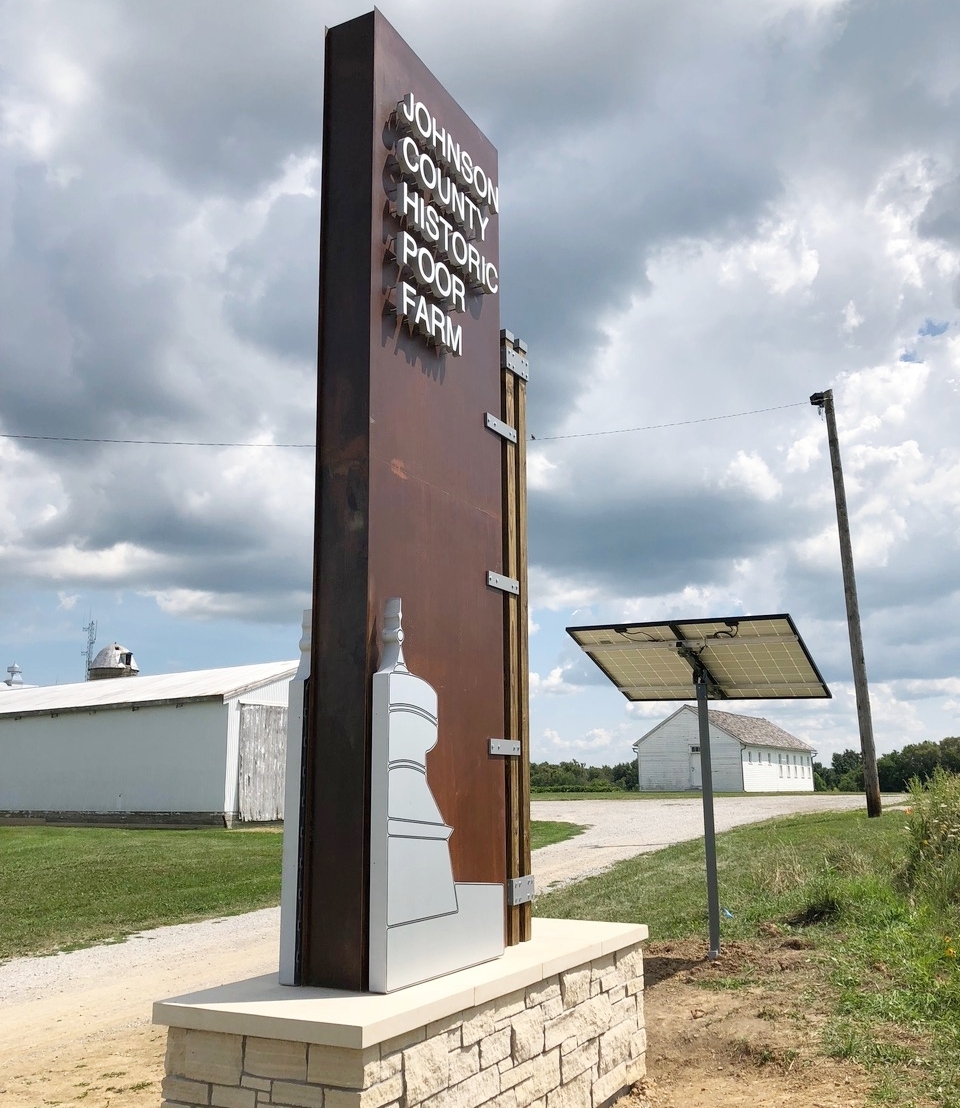
The Science: How the Faux-Rust Process Works
Creating the ultimate weathered illusion is a delicate blend of chemistry and craftsmanship:
- Base application: A specialized primer blended with real iron flakes is meticulously sprayed over the custom-cut aluminum sign.
- Activation: An acidic solution is applied to the surface, immediately activating an authentic, natural chemical rusting reaction.
- Cure: Depending on the depth of the patina requested by the design team, the sign cures anywhere from a few hours to a few days.
- Permanent seal: Once the ideal rust level is reached, the sign is rinsed and treated with an architectural-grade matte clear coat to lock the perfect hue in place.
Bring the Industrial Look to Your Market — Risk-Free
Ready to see faux corten signage in person? Contact us today to discuss your project specifications or to request a physical faux corten sample.
More on faux corten:
Like what you see?
Get more ideas, design, and inspiration delivered to your inbox on a monthly basis. Sign up for our email, we won’t waste your time!