Opposites Attract: Science + Art = Environmental Graphic Design
Environmental graphic design (EGD) is part of the everyday fabric of our lives, and many of us never notice it — and that’s no accident.
Science and Art come together in Environmental Graphic Design for bold looks that are captivating and functional.
You walk by them every single day. Environmental graphics are everywhere. They welcome you to a new building. They direct you to the right hallway to find your doctor’s office. They tell you which restroom is the men’s or women’s. They show you where to park and how to find the elevator. Environmental graphic design (EGD) is part of the everyday fabric of our lives, and many of us never notice it — and that’s no accident.
That’s because there is a difference between traditional signage and environmental graphics. EGD and wayfinding is the science and art that moves people to a desired destination. Environmental Graphics also create and build an experience. Incorporating a company’s brand and graphics into the physical environment of a facility creates a larger experience by infusing the space with personality. EGD develops a narrative and an emotional connection to the space.
THE SCIENCE OF EGD
Effective EGD creates a seamless experience for people as they navigate a new or complex building or campus. Directional signage is part of a holistic plan that takes into account traffic patterns and where people make decisions about where to go next. Latitude experts developed SignPlan, a comprehensive, phased process that brings clarity and purpose to the complex task of developing, specifying and implementing an architectural signage program.
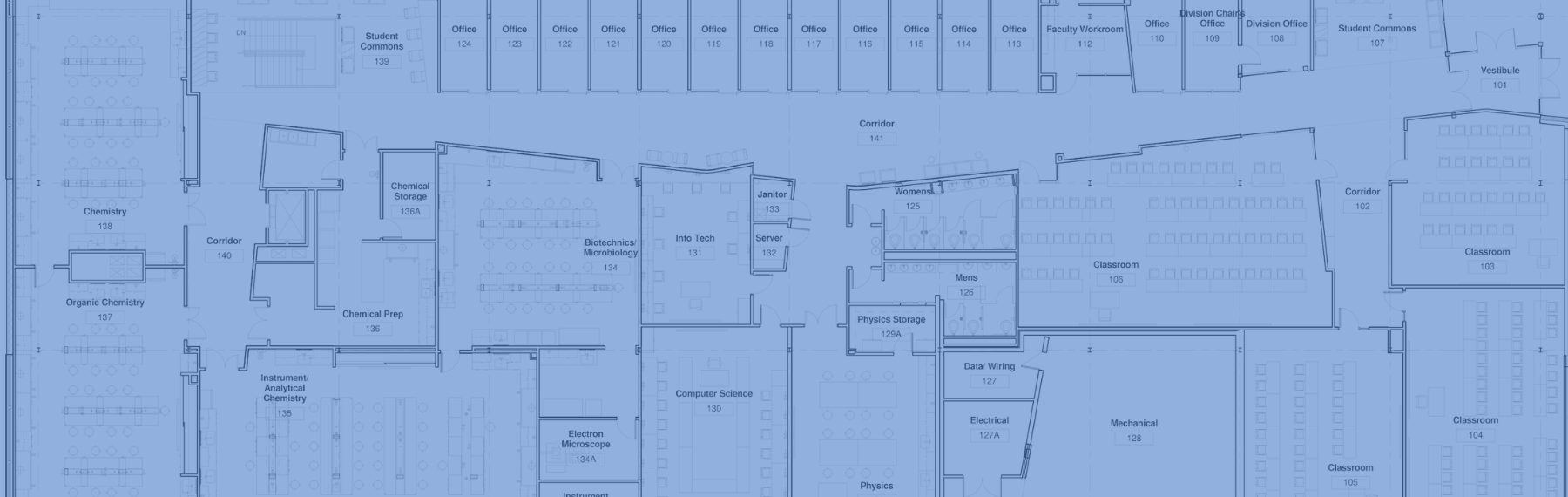
Alan Parsons, Environmental Graphic Designer, at Latitude Signage is a pro at creating complex wayfinding signage plans. “Often I’ll start a plan by looking through the floor plans. If the environment is complex, then I like to go on site with the marked-up plans to make revisions. I prefer to meet with the client on site for complicated areas of the environment. I’ll ask them how they would want traffic flow to occur and will also guide them with my experience and expertise comparing the specific environment with others I’ve sign planned.”
Environmental Graphic Design not only leads you to your destination, but it can also solve branding issues. For example, Latitude completed a full architectural sign package for Fremont Health in Fremont, NE. New exterior signage unified the hospital and clinics under one brand. On the interior, however, there were several challenges. Latitude needed to create distinct signage for different business units that was also consistent with the overarching brand. Latitude’s EGD team developed a signage solution that utilized a basic sign size, material, and typeface for consistency. The colors, images, and graphics could be personalized by department. This solution gave Fremont Health strong branding throughout the hospital with the flexibility they needed for special departments.
THE ART OF EGD
While analytics are a big part of planning and executing an EGD project, the science must also work hand-in-hand with creativity. Digitally printed wall graphics and exterior sign installations blur the line between public art and informational signs. For example, donor walls often share an enormous amount of information about the mission of an organization, express gratitude to its donors, and invite new donors. Often it’s also where designers get to spread their creative wings.
Andrej Steinbergs, Environmental Graphic Designer, “With the new YMCA building in Council Bluffs, Iowa. I got to design the interior signs and the donor wall. The client gave me a lot of freedom in coming up with a unique solution for their donor wall needs. I carried the look of the donor wall throughout the space and repeated some of the design elements on room identifiers and ADA signage.”
The key for Latitude designers is knowing when to let the signs make an impact and when to let EGD signs recede into the environment. Parsons says, “If done right, environmental graphics should leave people remembering the place and space they just experienced. They shouldn’t necessarily remember just the graphics themselves but the graphics should aid the environment they are in so a person gets a more well-rounded experience.”
ENVIRONMENTAL GRAPHIC DESIGN AT Latitude
From high-energy branded signage to painstakingly-detailed wayfinding plans, Latitude Signage experts thrive on creative problem solving with Environmental Graphics. If you’re looking for a way to elevate the experience people have at your facility, contact the professionals at Latitude to learn more about the EGD Team.
“Our first step is to meet with the client and find out what they need,” says Kristin Adkins, DesignBuild Specialist. “We talk about where the problem areas are. How do we get people to their destination? Are they self-directed or escorted? Where are they making decisions?”
After the initial meeting, the Latitude team takes the client’s input and analyzes maps and floor plans to generate a comprehensive sign plan. They include specifications for ADA guidelines and building codes so that the client never has to worry about compliance. Then they develop creative concepts for the client’s review. Once everything is approved, the final designs are sent to production and then scheduled for installation.
Environmental Graphic Design is hardworking and eye catching. Detailed and delightful. Meticulous and marvelous. It is truly a blend of science and art.

MEET THE TEAM:
KRISTIN ADKINS: Kristin has a BA in Communication and Design from Simpson College. She has been with Latitude since 1993 and heads up our Design-Build department. She works with teams to develop creative solutions for the built environment, and is responsible for sign programming, design and manages projects from initial concept to production. She is able to create wayfinding signage systems that include room numbering, directional, Americans with Disabilities Act (ADA) regulations, regulatory, fire safety and code signage. Kristin has a certificate of successful completion from the SEGD ADA Education Program for Designers.
ALAN PARSONS: Alan has a Masters Degree in Design from Iowa State University and has worked with our company since 2006. Alan’s Master’s thesis study was on wayfinding. Alan reviews plans and customer needs to construct a complete set of sign types, location plans and message schedules. He works with each customer to develop unique brand identity through custom designs, and as a wayfinding planner he works closely with client and production designers to integrate design into the total signage plan. He has a certificate of successful completion from the SEGD ADA Education Program for Designers.
ANDREJ STEINBERGS: Andrej has a degree in fine arts from Bellevue University and has spent 30 years designing signage and exhibit spaces. He joined Latitude in 2017. Andrej has a passion for conceptual design. His work always has a way to bring new ideas and designs to the table that elevate a specific project for the client. He encompasses location and purpose of the project into his creative designs.
Like what you see?
Get more ideas, design, and inspiration delivered to your inbox on a monthly basis. Sign up for our email, we won’t waste your time!